
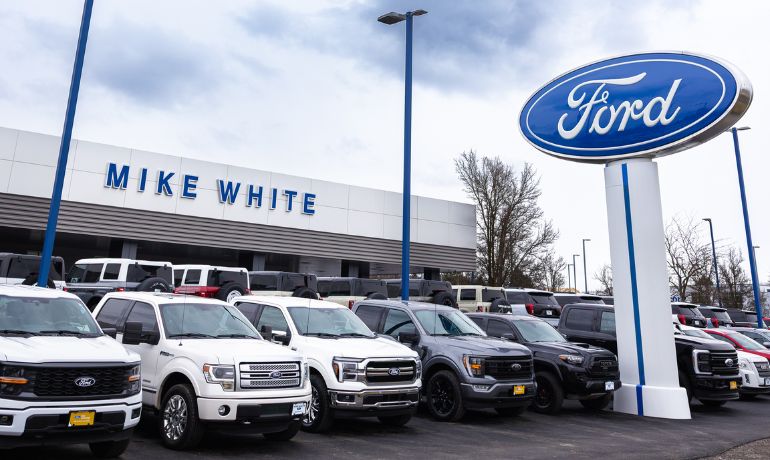
Pickup trucks are the most popular vehicles in North Idaho and there are a lot of good reasons why. They handle work traveling to and from sites with a load of tools, haul loads for ranching and other land work, tow boats and trailers to the lake, carry gear into the mountains, and provide confidence on snowy or muddy roads. That’s why the Ford F-150 is the most popular vehicle in Idaho, but other makes and models of trucks also fill out most of the top spots. In other words, Idaho is truck country.
Trucks are workhorses, and you can’t beat their functionality. But at Mike White Ford, we know that not everyone can afford or even wants a shiny new truck. Many of our customers aren’t looking for a new truck, they just need something that will work for their needs and be reliable. Thankfully, with so many trucks on the road up here, there is usually a pretty wide selection of used trucks available at our dealership in a variety of makes, sizes, features, and prices.
When buying a used truck, the right choice can deliver years of reliable service, while the wrong one can lead to expensive repairs and frustration. Mike White’s sales team regularly helps local buyers evaluate used trucks carefully. There are so many different packages and features on trucks today, and it is important to us that you drive away with a vehicle that fits both your needs and the demands of Inland Northwest driving.
Here’s a practical guide to what you should consider when buying a used truck.
1. Start with Your Real Needs
Before looking at any truck, clarify how you plan to use it. Do you plan to use it for:
- Daily commuting and light errands?
- Frequent towing (boats, trailers, equipment)?
- Job-site hauling or heavier payloads?
- Off-road or backroad travel?
- Winter driving in snow and ice?
Matching the truck’s capability to your actual use prevents overpaying for features you won’t need or ending up with a truck that falls short. Also decide on
- Cab style (Regular, SuperCab, or SuperCrew): This will depend on whether you need in-cabin space for gear, and how often you plan to bring along more than one passenger.
- Bed length: How much will you need to haul? Ford trucks have 5.5 and 6.5 foot bed lengths. Also note that a SuperCrew cab with a long bed is over 20 feet long, making it inconvenient for making tight turns, parking in some lots, and can even be a tight squeeze in some garages.
- Drivetrain: In North Idaho, 4WD or AWD is often worth the investment for winter traction and year-round versatility.
2. Review Vehicle History Thoroughly
Always obtain a vehicle history report (such as CARFAX or equivalent). Look for:
- Accident history and airbag deployment
- Title issues (salvage, flood, or rebuilt)
- Consistent service records
- Number of previous owners and type of ownership (e.g., fleet, rental, lease, private)
- Miles driven during different ownership periods
- Odometer discrepancies
A clean history is a strong positive. Service records showing regular oil changes, transmission service, and 4WD system maintenance are especially valuable. If purchasing privately, ask the seller to provide vehicle service reports and receipts if available.
3. Inspect the Frame, Body, and Bed
Rust is a key concern in regions that use road salt or experience wet winters. Carefully examine:
- Frame rails and crossmembers for corrosion or damage
- Wheel wells, rocker panels, and cab corners
- Bed floor, and tailgate
- Undercarriage for leaks or excessive rust
Surface rust can be manageable; structural rust is a red flag. Check the bed for dents, scratches, or signs of heavy use. Look at the tailgate operation and any spray-in or drop-in liner condition. Inspect the bumper, hitch receiver, and wiring for towing wear.
4. Evaluate the Engine and Drivetrain
A test-drive is a must for any car purchase. In addition to getting a sense of the feel, visibility, and features that a used truck offers, you need to evaluate how well it actually drives. Start the engine cold if possible and listen for unusual noises. Check for:
- Smooth idle and acceleration
- Smoke from the exhaust (blue, white, or excessive black smoke can indicate problems)
- Fluid leaks under the engine or transmission
- Condition of belts, hoses, and battery
For trucks with higher mileage, ask about timing chain or belt service, if applicable. Refer to the vehicle history and the owner’s manual to see if services were performed at the recommended intervals. If it is equipped with four-wheel drive, test engagement on a safe surface. Transmission shifts should be smooth without hesitation or harsh engagement. A thorough test drive on both city streets and the highway helps reveal issues that a parked inspection can miss.
5. Check Suspension, Steering, Brakes, and Tires
Worn suspension components are common on trucks that have carried heavy loads or traveled rough roads. Listen for clunks over bumps and note whether the truck feels stable when cornering. Steering should be solid and responsive without excessive play in the wheel. Brakes should feel firm and stop the truck in a straight line.
Tire inspection isn’t just to find out how much tread is left; tires tell a more detailed story. Look for even wear. Uneven wear can point to alignment, suspension, or tire-pressure problems. Confirm that the spare tire and jack are present and in usable condition.
6. Assess the Interior and Electronics
Truck interiors take a beating; that’s just the nature of how trucks are generally used in places like North Idaho. Check seat wear, carpet condition, and whether all electrical features work: power windows, locks, mirrors, lights, infotainment screen, backup camera, and climate controls. Ensure the heater and defroster perform well; in our Inland Northwest climate, those are critical. Verify that any available safety features (blind-spot monitoring, lane-keeping assist, etc.) function properly.
7. Mileage, Age, and Overall Condition
There is no single “perfect” mileage, so don’t just look at the numbers. A lower-mileage truck that was poorly maintained can be riskier than a higher-mileage truck with complete records and careful ownership. Focus on overall condition, maintenance history, and how the truck was used. For example, trucks that spent their lives on long highway commutes often show well and experience less wear and tear both mechanically and physically than those used primarily for heavy hauling or off-road work.
8. Consider Certified Pre-Owned Options
Trucks that fall under Ford Certified Pre-Owned (CPO) or similar certified programs undergo multi-point inspections, come with remaining or extended warranty coverage, and usually include a vehicle history report. For many buyers, the added peace of mind is worth the small premium over a typical used truck. Ask about available certified inventory and what the certification covers for that particular vehicle. For example, Ford has two levels of CPO vehicles (plus another category for EVs).
9. Budget for the Full Cost of Ownership
Beyond the purchase price, factor in:
- Sales tax, title, and registration
- Insurance (try to get quotes before buying for the model and year you want)
- Expected maintenance and potential near-term repairs
- Fuel costs based on your driving
- Tires and brakes, which wear faster under heavy use
When budgeting for tires, remember that truck tires are generally more expensive than passenger car tires because they are bigger and heavier, and are built to handle greater weight and rougher operating conditions.
A slightly higher purchase price for a well-maintained truck can save money over time by being less costly to maintain compared with a cheaper truck that needs immediate work.
10. Get a Professional Inspection
After you have finished your inspection and think you have found the vehicle you want, consider having a professional evaluation done in addition to your inspection. Even if the truck looks good, having a trusted mechanic or the dealership’s service department perform a pre-purchase inspection can be a relatively inexpensive way to give you peace of mind that the vehicle you are buying is worth the asking price.
An independent and trained set of eyes can often identify issues that are easy to miss during a short test drive or a limited inspection. Most dealerships and mechanic shops offer a flat-fee inspection for prospective buyers needing a used car evaluation. However, remember that the mechanic cannot tell you to buy or not buy a particular car; their job is to give you a thorough report and leave the decision in your hands.
Why Buy a Used Truck from a Dealership Like Mike White Ford?
Purchasing a used truck from a reputable dealership often provides greater transparency, inspection standards, and after-sale support compared with private-party sales. At Mike White Ford, our used and Certified Pre-Owned trucks are evaluated with local driving conditions in mind. We can walk you through history reports, explain any reconditioning that has been done, and help you compare options that fit North Idaho needs, whether your priority is towing capacity, winter capability, fuel efficiency, or daily versatility.
When buying a used vehicle, don’t rush. Getting the right truck to meet your needs for years to come is worth the time. A careful, thorough approach greatly increases the odds of a successful purchase.
If you are ready to explore current inventory or have a specific truck you would like evaluated, visit Mike White Ford in Coeur d’Alene or Sandpoint. Our team can help you inspect, compare, and select a used truck that is ready for work, weekends, and everything North Idaho throws at it. Stop by today! We’re here to help you shop for the right truck with confidence.