
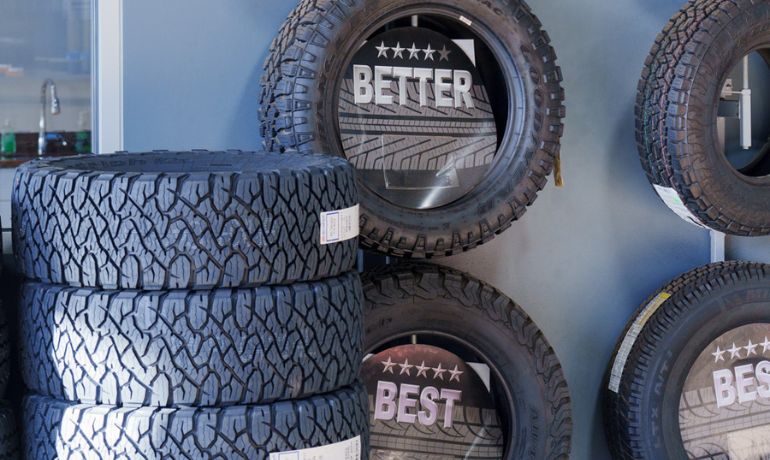
Winter in North Idaho brings its own set of driving challenges: snow, slush, black ice, freezing rain, and rapidly changing road conditions. Even the most capable Ford trucks and SUVs with every safety technology integrated into their vehicles must rely on one critical point of contact with the road: tires. That’s why proper winter tire care and timely replacement are essential for staying safe and maintaining performance all season long.
At Mike White Ford in Coeur d’Alene and Sandpoint, Idaho, we work with customers every year who want to get the most out of their winter driving experience. Whether you’re preparing for daily commutes or weekend adventures in the mountains, understanding how to care for your winter tires makes a real difference.
Why Winter Tires Matter
If you’ve ever watched Formula 1 racing or NASCAR, you’ve probably noticed how much emphasis drivers and their crews put on having the right tires. These racing cars have all the latest and greatest road technologies available, but winning and losing a race — or skidding off the track and not finishing at all — can depend on making the right tire choices for the track conditions, weather, and temperature.
While you are (hopefully) not speeding around curves and hitting the gas on straightaways in your daily driving, your tires matter, too, when it comes to safety and handling. Your “all-season” tires may handle various conditions within a relatively broad range, but here in North Idaho, winters present conditions that often require more specialized traction to keep you and your family safe. Winter tires are designed with:
- Softer rubber compounds that stay flexible (rather than harden up) in freezing temperatures
- Deeper tread patterns for better snow, slush, and deep water control
- Biting edges and siping to grip icy and wet surfaces
These features dramatically improve stopping distance, stability, and steering response when the weather turns harsh. So when it comes to tires, never assume “good enough” is good enough. The safety of you and your family, as well as others on the road, means having tires that allow you to exercise maximum control over your vehicle.
Tread Depth: The First Thing to Check
Tire tread is your biggest defense against winter hazards. As a general rule, winter tires should have at least 6/32” of tread for proper traction. Below that, performance drops quickly, especially in snow.
You can check tread depth at home with a tire tread depth gauge (you can pick up an inexpensive one up at your local auto supply store) or stop by our service department at Mike White Ford for a quick, accurate assessment. If your winter tires were borderline at the start of the season, replacing them is a must if you want to be confident that your tires will maintain traction throughout the winter.
Proper Tire Pressure in Cold Weather
Cold temperatures cause tire pressure to drop, usually about 1 PSI for every 10°F decrease in temperature. Underinflated tires reduce traction, fuel economy, and handling stability. During winter, it’s important to:
- Check your tire pressure at least once a month, or more frequently during severe cold snaps
- Inflate your tires to the manufacturer’s recommended PSI (listed on the driver’s door pillar)
- Watch for low-pressure warnings on your Ford’s Tire Pressure Monitoring System (TPMS)
Maintaining the correct PSI ensures your winter tires will perform as designed.
Rotation and Alignment Still Matter in Winter
Winter tires wear differently than all-season or summer tires because of their softer rubber compounds. Regular maintenance helps extend their lifespan:
- Rotate every 5,000–7,000 miles to promote even wear; for most drivers, that’s every 4 to 6 months, which means that most drivers who put on average miles and change to winter tires in November likely won’t need a tire rotation
- Schedule an alignment check if you notice pulling, uneven tread, or vibration
Uneven or accelerated wear can reduce traction and shorten the usable life of your set of winter tires
When to Replace Your Winter Tires
If your winter tires show any of the following signs, it may be time for new ones:
- Tread depth below 6/32”
- Visible cracking or hardening of the rubber
- Cupping, bulging, or uneven wear
- Persistent handling issues or vibration
Even high-quality winter tires lose effectiveness after 5–6 seasons, as the rubber naturally dries out and stiffens over time.
Storage Tips for Off-Season Protection
When winter ends, proper storage helps extend the life of your tires:
- Store in a cool, dry location away from direct sunlight
- Keep them off the ground—stacked or hung on a wall
- Use tire bags to protect them from dust and ozone
Trust Mike White Ford for Your Tire Care Needs
Driving safely in winter weather in North Idaho is a challenge, and your tires are your first line of defense when it comes to the hazards presented by winter road conditions. Whether you need a tread inspection, a winter tire replacement, or advice on what winter tires are right for your vehicle, you can count on Mike White Ford to help. Our service team knows local conditions well and can recommend the best options for your Ford and your driving habits. Also, check our specials periodically for deals on tires; we often offer specials at the beginning of the season.
Winters in North Idaho are truly lovely, with mountains blanketed in snow and plenty of wintertime recreation opportunities. But road safety should be at the top of your priorities, so schedule an appointment with our service department today if you need a tire check or replacement.